
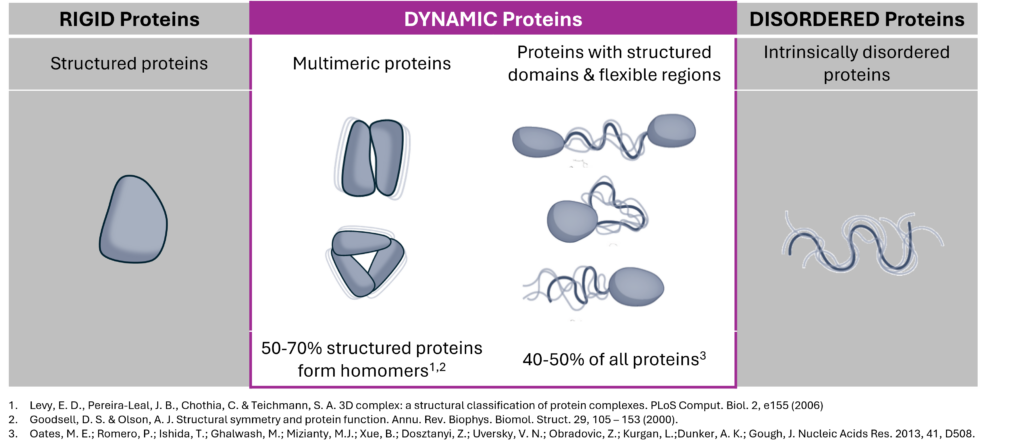
"Resonate Bio's AI-NMR hybrid technology determines the ensemble of protein-ligand structures that occur in solution. We call these Resonate Structures."

Darryl McConnell
Managing Director of Resonate Bio
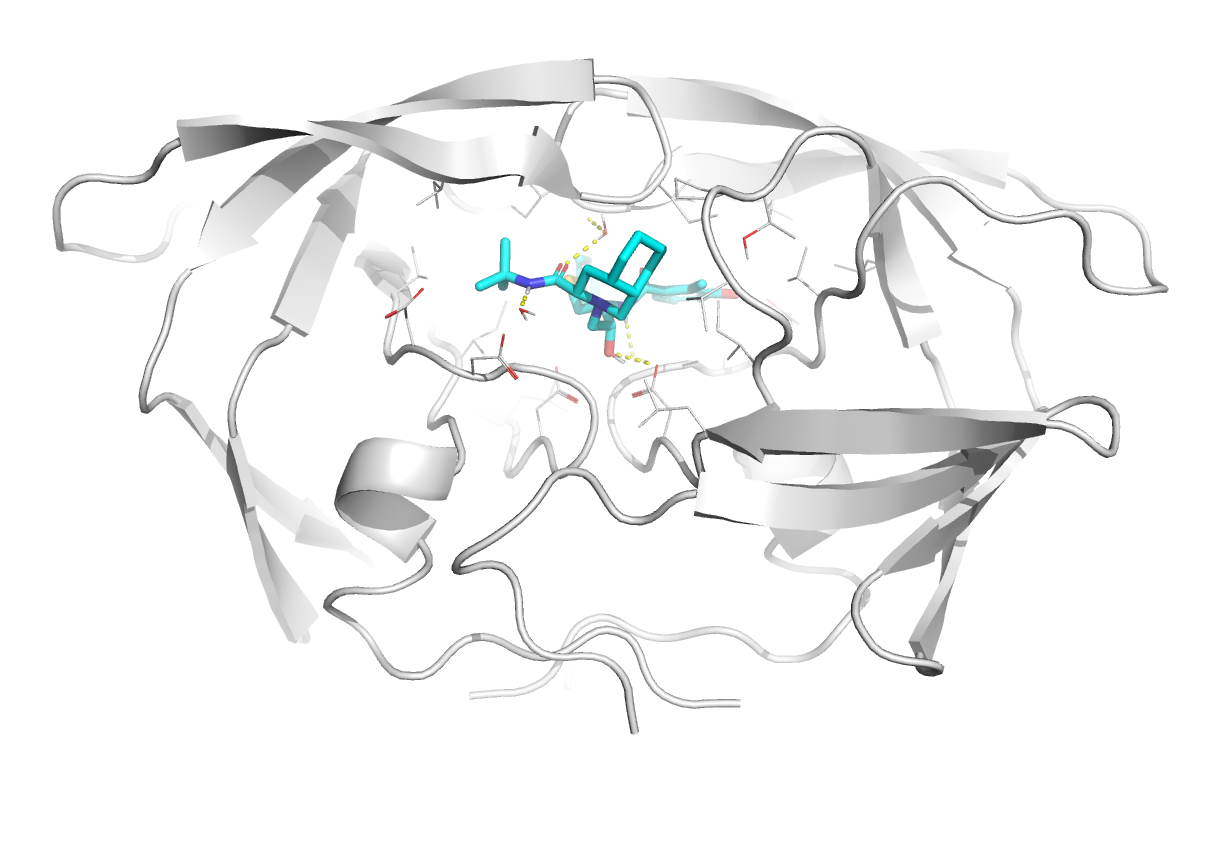
Viracept bound to HIV Protease
Discovered by Agouron Pharmaceuticals in San Diego USA and FDA approved in 1997
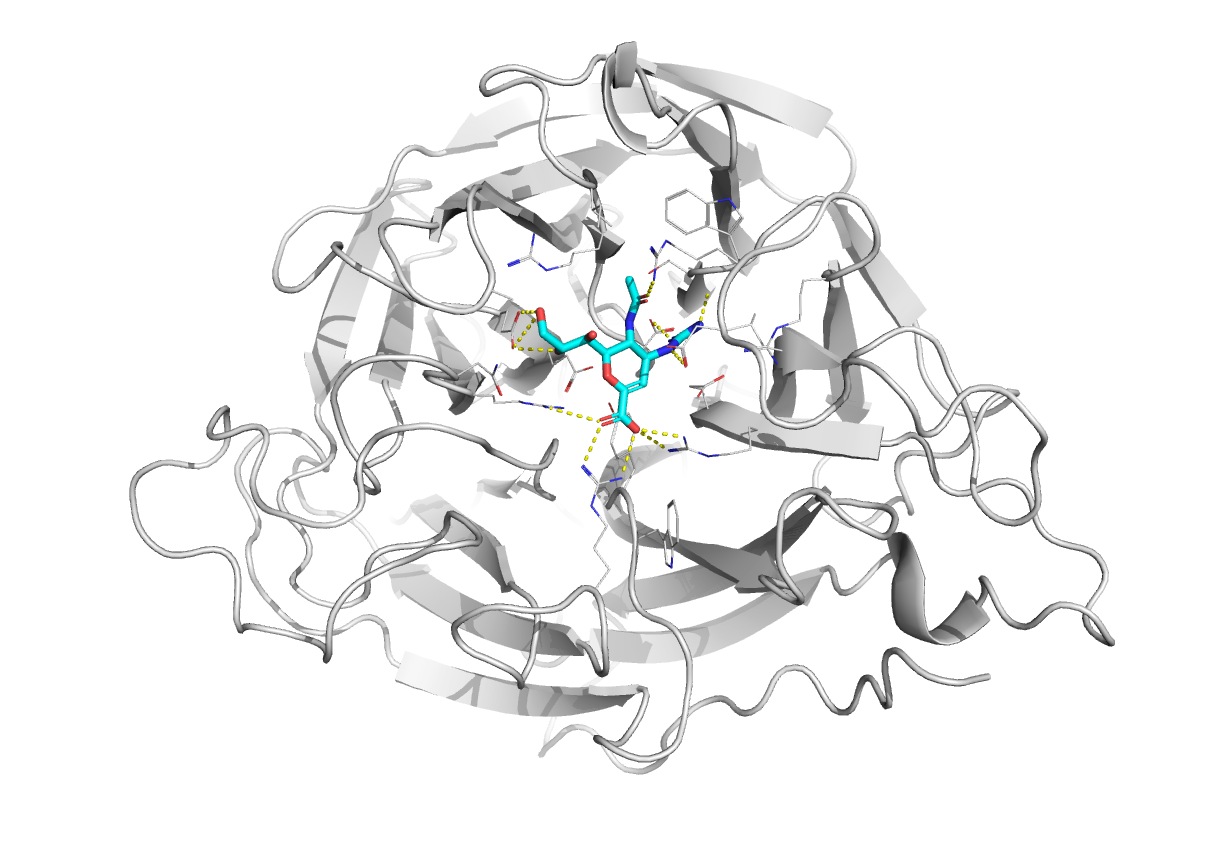
Zanamavir bound to neuraminidase
Discovered by Biota Holdings in Melbourne Australia and FDA approved in 1999
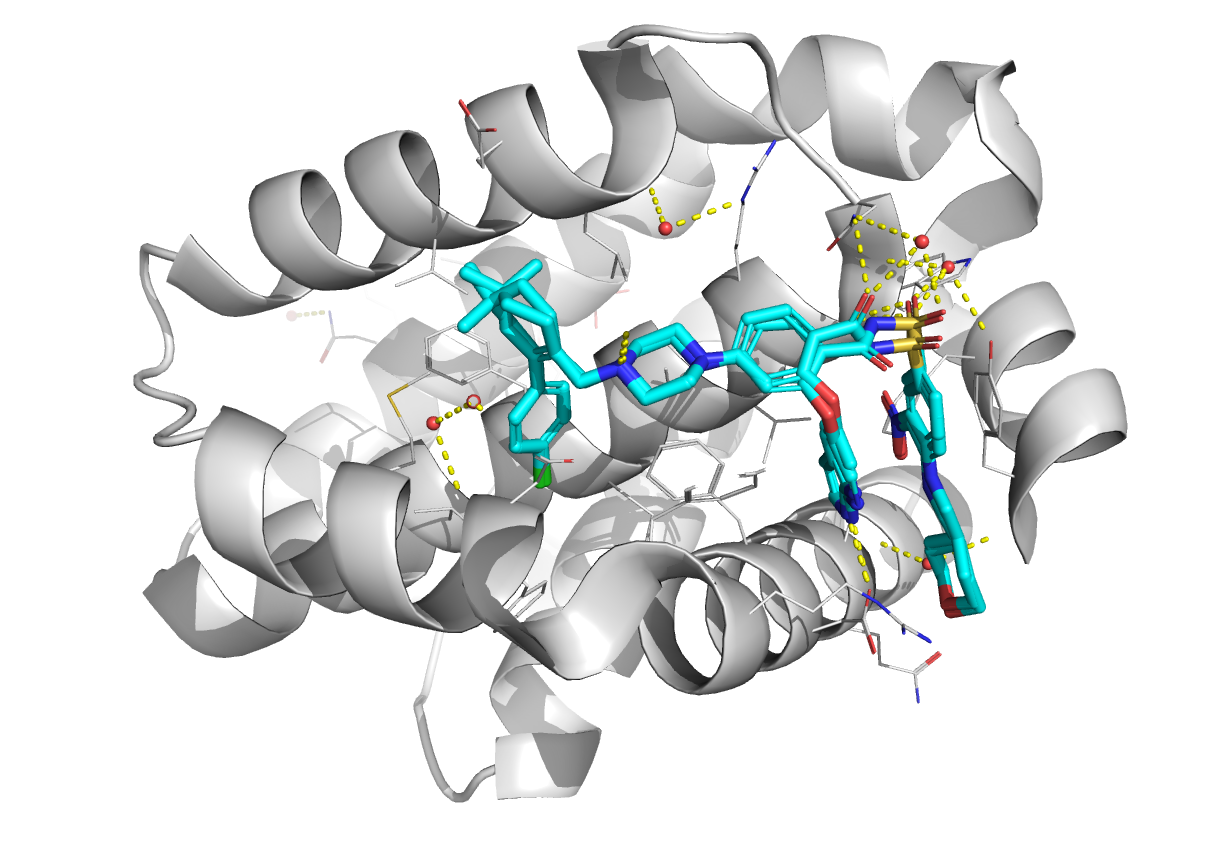
Venetoclax bound to BCL2
Discovered by Abbott in Illinois USA and FDA approved in 2016
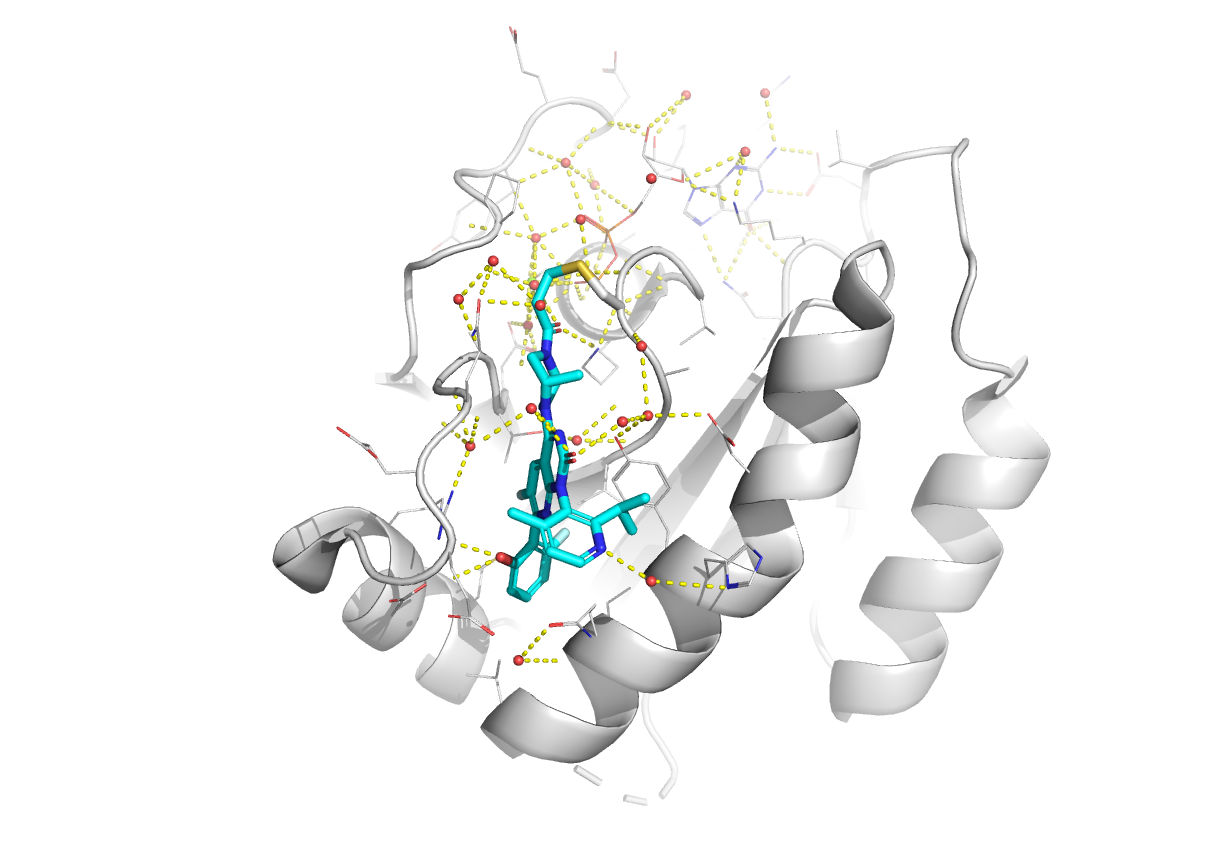
Sotorasib bound to KRAS-G12C
Discovered by Amgen at Thousand Oaks USA and FDA approved in 2021
Press Release
Resonate Bio and University of Vienna Launch Strategic Collaboration to Advance AI-NMR Drug Discovery
Collaboration draws on the full versatility of NMR spectroscopy — dozens of published pulse sequences — paired with Resonate Bio’s algorithms to capture the complete ...
Press Release
Resonate Bio Secures Austria Wirtschaftsservice (AWS) Deep Tech Seed Financing to Advance AI-Driven NMR Platform — and Bets on Itself with First Internal Therapeutics Program
Vienna, Austria — May 27, 2026 — Resonate Bio, a University of Vienna spinout and Vienna-based biotechnology company developing an AI-enabled NMR platform for structure-guided drug ...
Press Release
Resonate Bio Awarded the Austrian Business Service’s DeepTech Pre-Seed Grant to Accelerate AI-NMR Innovation
Vienna, Austria — July 28, 2025 — Resonate Bio, an emerging Austrian biotech startup, is thrilled to announce it has been awarded the prestigious DeepTech Pre-Seed ...